13th Bench-Bar Conference Examines Impact of Artificial Intelligence on Law
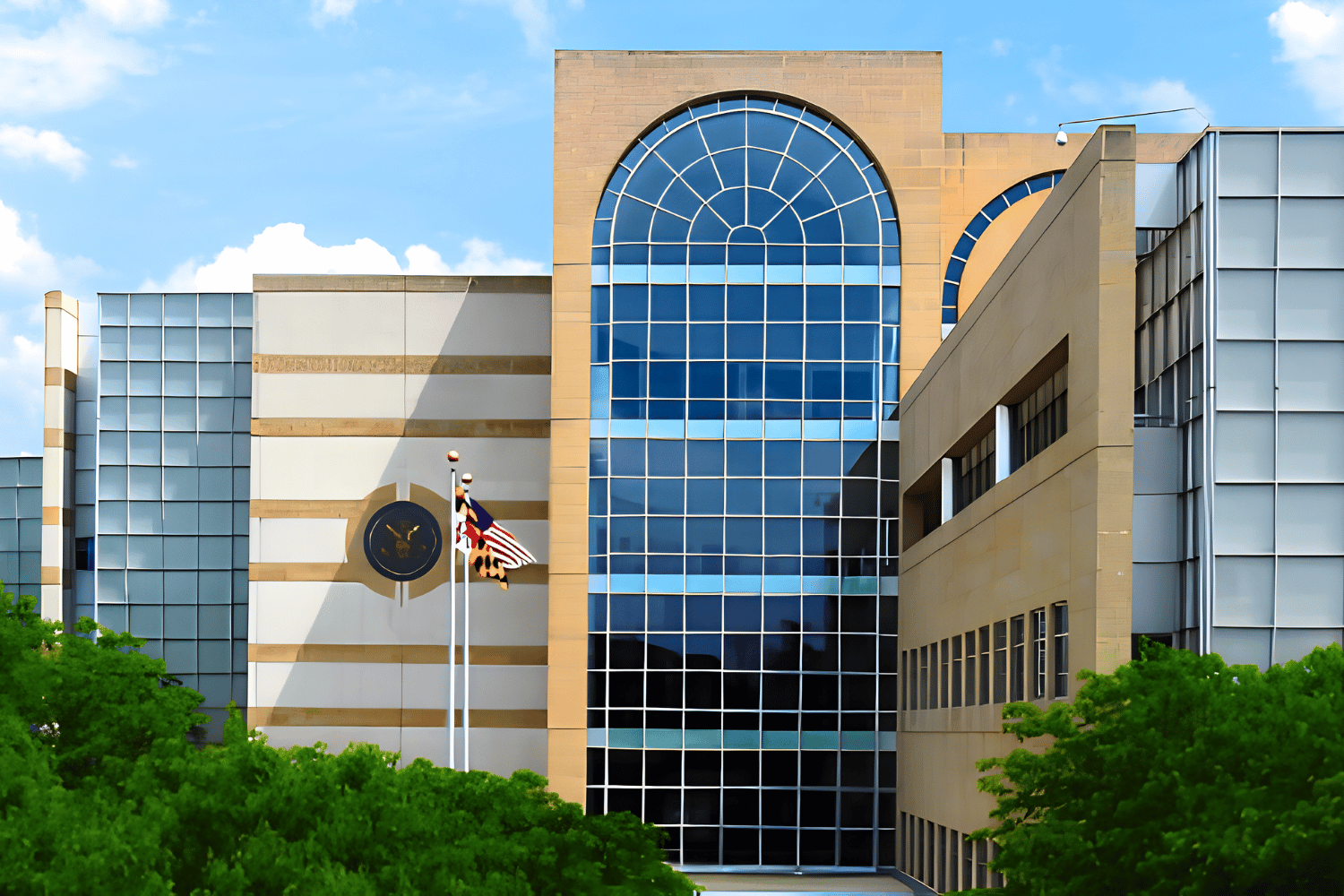
Image courtesy of United States District Court District of Maryland
The 13th Bench-Bar Conference brought the legal community together on April 24 to study artificial intelligence. The U.S. District Court for the District of Maryland hosted the event at the Greenbelt Courthouse. The court held the program at 6500 Cherrywood Lane in Greenbelt. Organizers themed the conference "Artificial Intelligence and the Practice of Law." The subject reflects a technology now reaching nearly every area of legal work.
The program drew federal and state judges, practitioners, and academics. These groups gathered for a frank, expert discussion of AI's expanding role. The conference examined how the technology affects both civil and criminal practice. Speakers addressed questions that courts and lawyers now face regularly.
The event ran from Friday afternoon into the early evening. Registration opened at 3:00 p.m., and the program began at 3:30 p.m. A reception followed the panels, giving attendees time to connect. The format combined formal addresses with two in-depth panel discussions. Together, these elements offered a broad view of AI's place in the profession.
Judicial Leaders Open the Program
Two senior jurists anchored the conference with major addresses. Chief Justice Matthew J. Fader delivered the keynote address. Fader leads the Supreme Court of Maryland, a role he has held since April 2022. He brings deep experience in public service and private practice to the bench. His career includes work at the U.S. Department of Justice and Maryland's Office of the Attorney General.
Chief Judge George L. Russell, III, delivered the State of the Court Address. Russell serves as Chief District Judge of the U.S. District Court for the District of Maryland. He has held that position since May 2024. President Barack Obama nominated him to the federal bench in 2012. Russell has described the conference as a timely look at a rapidly evolving technology.
Both leaders set the tone for the discussions that followed. Their remarks placed the day's panels in a broader judicial context. They underscored the court's interest in how AI shapes legal practice. Their participation signaled the bench’s seriousness about the topic.
Criminal Panel Examines AI in Practice
The conference featured two panels, beginning with a seven-member criminal panel. Hon. Paula Xinis moderated the discussion. The panel included Hon. Matthew J. Maddox and Hon. Douglas R. M. Nazarian. It also featured Prof. Laura Abelson, Brendan Gill, Ranganath Manthripragada, and Gabriel Reyes. The group combined viewpoints from the bench, the bar, and the academy.
Panelists examined the ethical and practical issues that AI raises in criminal practice. They considered how courts evaluate AI-assisted work in this setting. The discussion reflected questions that prosecutors and defense lawyers increasingly confront. Speakers addressed professional responsibility and the reliability of AI-generated materials.
The format invited direct engagement between panelists and attendees. Judges, professors, and practitioners answered questions throughout the session. This structure allowed the audience to explore the topic in depth. It also gave attendees insight into how the bench approaches these tools. The criminal panel offered one half of a two-part look at AI. The civil panel then addressed the technology from a separate vantage point.
13th Bench-Bar Conference Closes With Civil Panel and Reception
The 13th Bench-Bar Conference continued with a six-member civil panel. Mark S. Saudek moderated the session. The panel included Hon. Lydia K. Griggsby and Hon. Ajmel A. Quereshi. It also featured Hon. Paul W. Grimm (Ret.), Robert S. Brennen, and Vicki Schultz. These panelists brought judicial, advocacy, and academic perspectives to the discussion.
The civil panel examined AI's role across civil litigation and related practice. Speakers discussed ethical obligations and the practical use of new tools. They addressed how AI-generated submissions affect court proceedings. The conversation mirrored the rapid pace of change in the profession.
A reception followed the program at the Greenbelt Courthouse. Legal professionals stayed to network and continue the day's conversation. The setting allowed informal exchange among judges, lawyers, and academics.
The conference offered the legal community a thorough look at a defining issue. Attendees left with perspectives from across the bench and bar. The 13th Bench-Bar Conference reflected the court's commitment to addressing emerging technology. The event placed Maryland's legal community at the center of an important conversation.
To participate in networking and educational opportunities for Maryland attorneys, explore the Federal Bar Association Maryland Chapter’s upcoming events.